SEO Services for Clearer Search Visibility
SEO services help a business make its useful pages accessible, understandable and relevant to the people searching for its offers. Web Design Plus SEO can discuss technical site needs, page strategy, on-page improvements, internal links and measurement as parts of a defined engagement. Services are delivered remotely nationwide from 7500 NW 25th St, Suite 237G, Doral, Florida 33122. Describe your website and search priorities to discuss project fit.
This page covers broad organic search work. Businesses focused on local discovery, map visibility or business-profile eligibility should also review the separate local SEO services page. Neither service can guarantee a ranking, traffic level or number of leads.
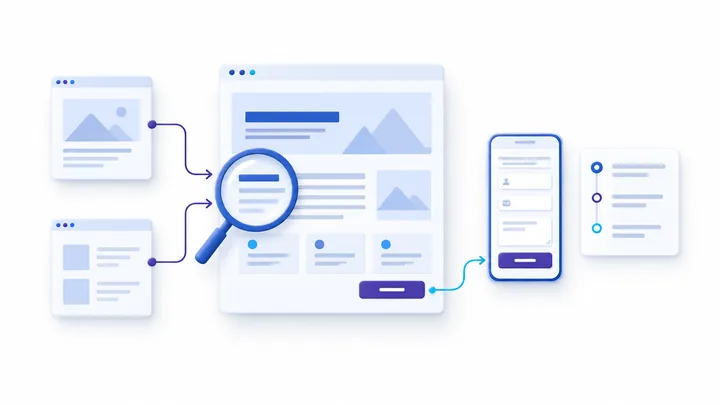
What SEO work can address
Search optimization is a set of connected decisions about what a business offers, which pages explain those offers, and whether search engines and visitors can use those pages. The right work depends on the site and business. A useful starting point is to clarify the priority services, audience, geographic reach, current website and the action a qualified visitor should be able to take.
A scoped SEO engagement may consider:
- Technical access: whether important pages can be crawled, indexed and rendered, and whether canonical, redirect, sitemap or robots settings communicate the intended site structure.
- Page ownership: whether one appropriate URL serves each major buyer question, with overlapping or outdated pages identified for review instead of receiving automatic new copy.
- Content and on-page information: whether a page explains the real offer, audience, requirements, process, limitations and next step in language a buyer understands.
- Internal links: whether related services, useful guides, project evidence and contact paths connect in context with descriptive anchors.
- Measurement: whether available search and inquiry data can help prioritize work, with impressions, clicks, leads and sales treated as different measures.
These are areas to assess, not a standard bundle automatically included in every project. The proposal should define which pages, technical items, content, implementation tasks and reporting responsibilities are in scope.
Check the technical foundation before adding pages
Technical SEO begins with the actual site, not a generic score. Important questions include whether intended pages return successfully, whether mobile users can read and navigate them, whether search directives are consistent, whether the sitemap lists the right canonical URLs, and whether templates create duplicate or inaccessible content. A site may have different technical constraints depending on its CMS, theme, plugins, hosting and third-party scripts.
Diagnosis should separate a confirmed defect from a possible cause. For example, a page absent from an index can have several explanations; changing a robots rule without checking the intended policy can make the problem worse. A useful review records the exact URL, observed behavior, source owner and the correction that fits the site’s architecture. Implementation scope should say who can make the change and how it will be checked.
Performance and usability matter to visitors as well as crawlers. Review real page layout, image dimensions, mobile overflow, heading order, keyboard access and the main contact path. Lab or single-run observations are clues; they are not proof of field performance for every visitor. If a redesign is needed, coordinate it with the website design work so page content, URLs and accessibility remain part of the plan.
SEO changes can interact with existing redirects, product pages, archives and published resources. Keep a record of the affected URLs and verify the resulting pages, links, canonical behavior and sitemap after changes. A technical fix is complete only when the intended route works for the visitor and the search directive matches the approved purpose.
Build pages around real buyer questions
Keyword research can reveal language people use, but it does not decide what the business should publish by itself. Page planning should compare the search question with the services actually offered, the existing site inventory and the information a buyer needs. Several phrases may belong to one page when their intent is similar. Separate pages need a real difference in purpose and enough useful evidence to support them.
A service page should make the offer clear early, then answer practical questions about fit, scope, inputs, process, review, price and timing factors, dependencies and next steps. A page should not repeat a competitor’s claims or add empty paragraphs to reach a word target. If evidence is missing, write carefully around what is known and mark the specific item for owner review outside the published copy.
Content planning also includes consolidation decisions. Similar URLs may deserve improvement, a clearer role or a reviewed merge, depending on their history and intent. Do not delete or redirect a useful page solely because it is old, has low clicks in one export or resembles another page. Check its audience, links, search evidence, business purpose and exact destination before changing ownership.
For businesses considering customer-market pages, the existing coverage hub describes nationwide remote delivery and selected city resources. Pages for Boca Raton, Hialeah and Miami address local search questions without suggesting the company maintains offices in each city.
Measure visibility and business outcomes separately
Search reports can show impressions, clicks, queries and landing pages for a selected period. Those measures help describe search activity, but they do not automatically explain whether a visitor became a qualified inquiry or customer. Analytics and CRM data may be unavailable, incomplete or governed by separate systems. Before setting goals, confirm which data can be accessed, how events are defined and who is responsible for tracking.
Use a baseline that records its source and dates. Compare like periods where possible, account for changes to pages or tracking, and investigate anomalies before calling them growth or decline. Search positions vary by location, device, query and time. A third-party estimate or single search result is not first-party traffic evidence.
Connect the measurement plan to a real business question. A business may care whether a priority service page receives relevant visits, whether a contact action works, or whether a search lead matches its customer profile. Define what counts as a useful inquiry and how the business will record its disposition. Revenue attribution requires reliable downstream data; rankings or impressions alone cannot establish it.
Reporting should make limitations visible. If access to analytics, conversion events or sales outcomes is unavailable, report what can be observed and keep the remaining relationship unknown. Avoid a promise to produce a fixed number of positions, visitors or leads when outside factors and starting conditions are not controlled.
Plan the work around access, approvals and dependencies
A practical project discussion begins with the website, services that matter, audiences, actual coverage and the desired business action. The business may need to provide CMS or hosting access, search reports, approved service facts, existing content and a person who can review changes. Credentials should be shared through an appropriate secure method, not placed in a public inquiry.
Agree on whether the engagement covers diagnosis, recommendations, writing, implementation or some combination. Identify who approves claims, who controls the CMS and what happens when a proposed change affects navigation, redirects, forms or third-party tools. If the website needs a substantial rebuild, distinguish SEO deliverables from design and development responsibilities.
Cost and timing depend on the number and condition of pages, technical access, content readiness, approval cycles, implementation constraints and the chosen measurement. This page does not list a standard package or schedule. A useful proposal makes those variables explicit and states any ongoing monitoring or maintenance that is included. Search engines control crawling and ranking systems, so no provider can guarantee a particular organic position.
Web Design Plus SEO is based in Doral, Florida and works remotely nationwide. Start an SEO conversation with the pages, services and questions you want to address. For the narrower local-market and profile decision, review local SEO services.
SEO services questions
What is included in SEO services?
It depends on the agreed scope. SEO work may address technical access, page strategy, useful content, internal links and measurement. A proposal should identify the exact pages and implementation or reporting tasks included.
Can an SEO provider guarantee rankings or leads?
No. Search results depend on systems and competitors outside the provider’s control, and a ranking or visit does not guarantee an inquiry. Set goals around defined work and measure business outcomes when reliable data is available.
How are SEO and local SEO different?
This page covers broad organic search work. Local SEO focuses on local discovery and profile questions. A business can need both, depending on its customers and operating model.
Do you work outside Doral?
Yes. Web Design Plus SEO delivers services remotely nationwide from its Doral location.
How long does SEO take?
There is no universal schedule for SEO results or implementation. Timing depends on the work, access, approvals, site condition and external crawling and ranking processes. A project scope should state delivery milestones without guaranteeing search outcomes.
What information should I provide?
Share the business’s priority services, intended customers, important pages, current website and the action you want visitors to take. Do not send passwords or sensitive customer records through the public contact form.



